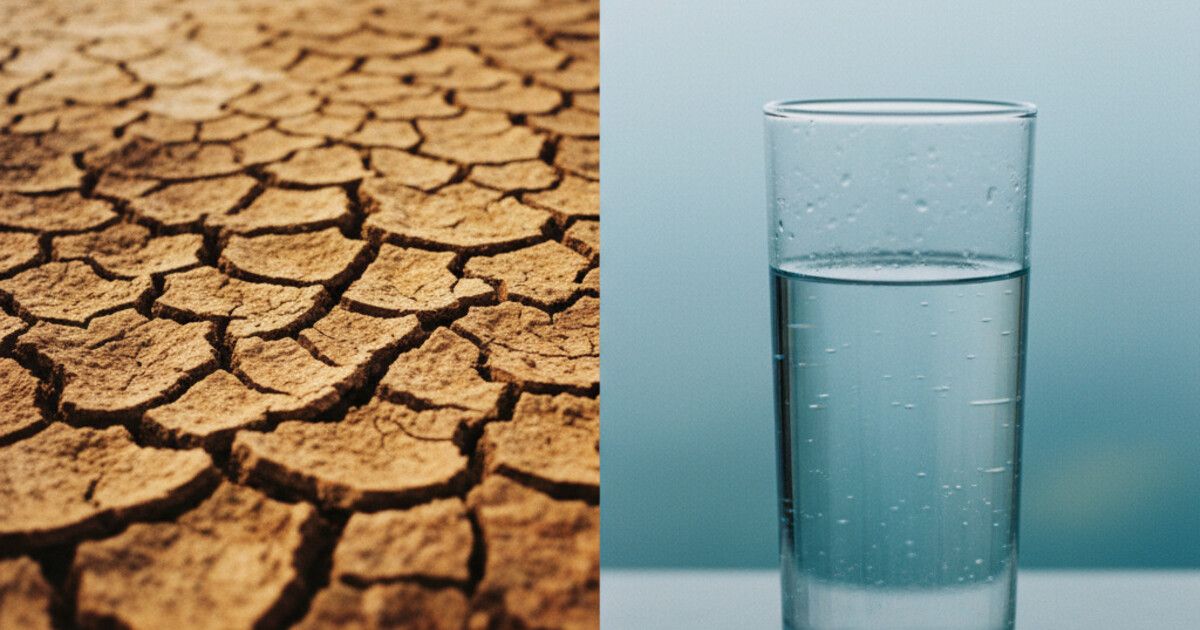
Two fasting approaches, one key difference: whether you drink water during your fast.
Dry fasting vs water fasting comes up constantly in fasting communities, sometimes with claims that dry fasting is 3x more powerful for autophagy or fat loss. That figure circulates widely. The evidence behind it doesn't hold up.
This guide covers what each approach actually does, how they compare on safety and outcomes, and why most fasting researchers stay firmly in the water fasting camp.
Dry fasting and water fasting both eliminate food, but dry fasting also cuts water. Water fasting is the safer, better-researched method. Dry fasting carries real dehydration risks: kidney stress, electrolyte disruption, and heat-related complications. The claimed advantages over water fasting lack peer-reviewed support.
What Is Dry Fasting?
Dry fasting means no food and no water for a set period. You're cutting both calories and hydration at once.
There are two types:
- Soft dry fasting: No eating or drinking, but bathing, brushing teeth, and other water contact are allowed. Your skin absorbs trace amounts of water.
- Hard dry fasting: No food, no water, and no contact with water at all. Used in some religious or extreme fasting contexts.
Most dry fasting done outside of religious practice is soft dry fasting. During Ramadan, Muslims fast from sunrise to sunset without food or water, typically 12 to 16 hours depending on the season and location. For healthy adults, short soft dry fasting appears manageable. Extended hard dry fasting is a different matter.
The body can survive roughly 3 days without water under normal conditions. That window shrinks fast in heat, during physical activity, or when you're already running a calorie deficit.
What Is Water Fasting?
Water fasting cuts food but keeps water in. You can drink plain water throughout the fasting window. Some protocols allow other zero-calorie liquids (black coffee, plain tea, sparkling water), though stricter versions stick to water only.
Common durations:
- 24-hour fasts (popular for metabolic reset)
- 48 to 72-hour fasts (used in research settings, autophagy-focused)
- Extended fasts of 5 days or longer (medical supervision recommended)
Water fasting is the approach used in most clinical research. Studies from researchers like Dr. Valter Longo at the USC Longevity Institute have examined prolonged water fasting and fasting-mimicking diets in detail. The safety profile is reasonably well mapped.
For a full breakdown of what your body does during a water fast, the water fasting guide covers the hour-by-hour changes from glucose depletion through ketosis through extended fasting effects.
How Dry Fasting and Water Fasting Actually Compare
Dry fasting and water fasting trigger similar metabolic responses during the food-restriction period. Both deplete glycogen stores within 12 to 18 hours, shift the body into fat-burning mode, reduce insulin levels, and activate autophagy. The key difference is hydration status, and that difference has real consequences. Water fasting preserves kidney function, blood circulation, and electrolyte balance, which are the processes that sustain safe extended fasting. Dry fasting forces the body to produce "metabolic water" from fat oxidation, a real biological process, but one that generates far less fluid than the body normally needs. Studies on Ramadan fasting (typically 12 to 16 hours of soft dry fasting) show manageable effects in healthy adults. Research on extended dry fasting is largely absent. The widely circulated claim that dry fasting triggers autophagy 3 times faster than water fasting originates from a popular book, not a peer-reviewed study, and hasn't been validated in controlled research on humans.
Here's how the two approaches compare across the factors most people care about:
| Factor | Dry Fasting | Water Fasting |
|---|---|---|
| Food | Eliminated | Eliminated |
| Water | Eliminated | Allowed |
| Dehydration risk | High | Low |
| Research backing | Minimal | Substantial |
| Safe duration | 12 to 16 hours | 24 to 72+ hours |
| Weight loss type | Mostly water weight | Fat and water |
| Autophagy support | Claimed, not proven vs water fasting | Documented |
The Safety Question
This is where the two approaches really split apart.
Water fasting carries risks (electrolyte imbalance, muscle loss, refeeding syndrome in extended fasts), but those risks scale with duration and are manageable with preparation. The guide to electrolytes while fasting covers what you actually need during extended fasting windows.
Dry fasting piles dehydration on top of that. Dehydration compounds everything:
- Kidney stress rises: your kidneys need water to filter waste products
- Blood thickens, putting strain on circulation
- Cognitive function drops faster than with water fasting
- In heat or with physical activity, heat stroke risk climbs sharply
For healthy adults, 12 to 16 hours of soft dry fasting (as practiced during Ramadan) appears manageable. Beyond that, the risk curve steepens quickly. Hard dry fasting for 24 or more hours carries significant health risks for most people.
People who shouldn't attempt dry fasting:
- Anyone with kidney disease or a history of kidney stones
- People on medications that require adequate hydration
- Anyone in hot climates or doing physically demanding work
- Pregnant or breastfeeding women
- People with a history of eating disorders
The "3x Autophagy" Claim
The most common argument for dry fasting is that it triggers autophagy 3 times faster than water fasting.
This claim comes from a Russian physician named Sergei Filonov, who has written popular books on dry fasting. It's not from a peer-reviewed study. No controlled research has compared autophagy rates between dry fasting and water fasting in humans.
What the research does show:
- Autophagy picks up during fasting, starting around 12 to 18 hours in (the autophagy fasting guide has the full picture on timing)
- Dehydration may stress cells in ways that overlap with autophagy pathways, but stress-triggered cell activity isn't the same as therapeutic autophagy
- Running cellular cleanup requires ATP production, which requires adequate circulation and hydration
The "3x" figure is a specific claim without a specific source. If you're fasting for autophagy, water fasting with adequate electrolytes gets you there without the dehydration risk attached.
Weight Loss: Which Actually Works?
Dry fasting produces faster initial weight loss. Most of it is water weight.
When you stop drinking water, your body quickly sheds the water it normally retains for hydration. The scale drops fast. That weight comes back when you rehydrate.
Water fasting produces weight loss that's more likely to include actual fat. Once glycogen stores deplete (typically 18 to 24 hours in), the body starts burning fat for fuel. Over a 24 to 72-hour water fast, a meaningful portion of lost weight comes from fat oxidation rather than water.
For lasting fasting for weight loss results, consistency beats intensity. A 16:8 intermittent fasting routine done daily produces more fat loss over 3 months than a single aggressive dry fast followed by rebound eating.
How FastFocus Helps You Track Your Fasting Protocol
Whether you're doing 16:8 water fasting, working up to a 24-hour fast, or exploring longer protocols, tracking your fasting window precisely matters.
FastFocus gives you a visual fasting timer with certified protocols (16:8, 18:6, 20:4, OMAD, and 5:2) and tracks your streak and fasting history over time. Smart notifications tell you when your window opens and closes, so you're never guessing where you are in your fast.
The community feature connects you with other fasters sharing what's working for them. When you're figuring out which approach fits your goals, hearing from people who've stuck with it long-term helps more than claims you can't verify.
Download FastFocus on iOS or Android to pick your protocol and start tracking today.
Frequently Asked Questions
Is dry fasting safe?
Short dry fasts (12 to 16 hours, as in Ramadan) appear safe for healthy adults. Extended dry fasting, especially hard dry fasting with no water contact, carries significant dehydration risks: kidney stress, electrolyte imbalance, and in hot conditions, risk of heat-related illness. Most fasting researchers don't recommend it beyond religious or short-duration contexts.
Does dry fasting burn more fat than water fasting?
Dry fasting causes faster initial weight loss, but most of it is water weight that returns when you rehydrate. Water fasting drives more genuine fat oxidation over comparable durations because the body can sustain fat-burning metabolism longer with adequate hydration.
Is the "3x autophagy" claim for dry fasting true?
This claim comes from a popular book, not peer-reviewed research. No controlled study has compared autophagy rates between dry fasting and water fasting in humans. Water fasting has substantial research backing for autophagy induction starting at 12 to 18 hours.
Can you do intermittent fasting with dry fasting?
Some people practice dry intermittent fasting (no food or water for a 12 to 16 hour window, then eating and drinking normally). This is essentially what Ramadan fasting looks like. For most intermittent fasting goals, water fasting (where you drink water during the fasting window) is safer and easier to sustain long-term.
What should I know before trying a water fast?
Start with a shorter window (16:8 or 18:6) before attempting 24-hour or longer water fasts. Keep up with electrolytes during fasting windows longer than 16 hours. Check the stages of fasting guide to understand what your body is doing at each point so you know what to expect.