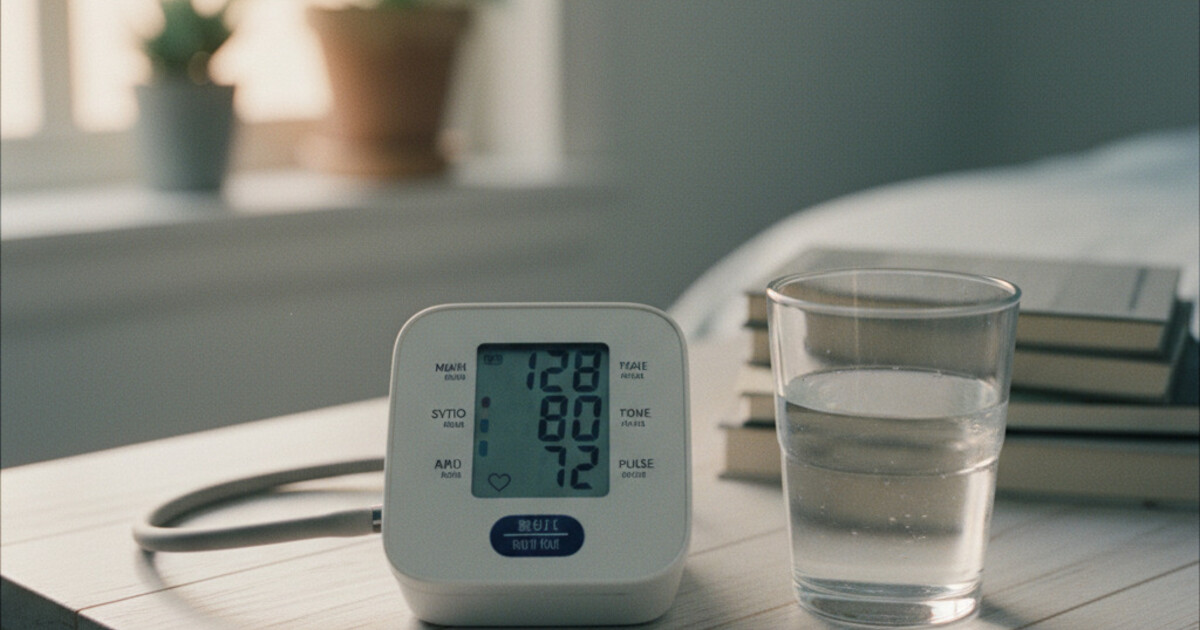
Your doctor came back with blood pressure numbers that need attention. Maybe it's 138/88, maybe it's 145/92. You're in the elevated or Stage 1 range, and lifestyle changes are on the table. Someone mentioned intermittent fasting. You want to know if there's actual evidence behind that before building your schedule around it.
There is. Multiple clinical trials and meta-analyses have studied what fasting does to blood pressure over weeks and months. The results are consistently positive, with systolic pressure showing the clearest response. The effect isn't instant, but 8-12 weeks of consistent fasting produces changes that show up on lab numbers.
Here's what the evidence says, which protocols have the best track record, and what you can realistically expect.
Intermittent fasting lowers blood pressure in most people who practice it consistently. Research shows average systolic reductions of 5-8 mmHg after 8-12 weeks, with diastolic dropping 2-4 mmHg. The 16:8 and 5:2 protocols both produce results. Effects come from weight loss, lower insulin, and reduced sodium retention during fasting windows.
How Fasting Lowers Blood Pressure
Weight loss is the main driver. Extra body weight raises blood pressure by increasing blood volume and placing more demand on the heart and vessels. Even modest losses of 5-10 pounds can move systolic pressure by several points. Fasting creates a calorie deficit without requiring calorie counting, which makes it easier to sustain than conventional dieting for many people.
But weight loss isn't the only pathway.
Insulin drops significantly during fasting windows. High circulating insulin tells the kidneys to hold onto sodium, which raises blood volume and pushes pressure up. When insulin falls during a fast, the kidneys start releasing more sodium, trimming blood volume and easing the load on arterial walls. This is why some people see blood pressure drop in the first week or two of fasting, before meaningful weight loss has occurred.
Fasting also quiets the sympathetic nervous system over time. Chronic activation of that system keeps blood vessels partially constricted and heart rate elevated. Regular fasting dials down this activity, letting vessels relax and pressure fall.
Intermittent fasting lowers blood pressure through 3 measurable pathways. Weight loss, the primary driver, typically develops over 8-12 weeks of consistent fasting and reduces the mechanical load on arterial walls. Lower insulin during fasting periods signals the kidneys to excrete more sodium, trimming blood volume and easing pressure on vessels. Fasting also dials down sympathetic nervous system activity, the fight-or-flight response that keeps blood vessels constricted and heart rate elevated when chronically active. A 2020 systematic review of 27 randomized controlled trials found that time-restricted eating and 5:2 fasting reduced systolic blood pressure by an average of 4.9-8.8 mmHg and diastolic by 2.5-5.1 mmHg. Effects appeared most reliably in protocols lasting 8 weeks or longer. People with pre-hypertension (systolic 120-139 mmHg) tended to see the largest drops. In several trials, blood pressure improvements were independent of caloric restriction, suggesting fasting creates direct vascular benefits beyond weight loss alone.
For a companion look at how fasting moves other cardiovascular markers, the fasting and cholesterol guide covers what happens to LDL, HDL, and triglycerides on the same protocols.
Which Fasting Protocols Work Best for Blood Pressure
The research doesn't name a single winner. Multiple protocols produce solid results when followed consistently.
16:8 fasting has the most clinical trial data. Several trials found meaningful systolic reductions after 12 weeks of daily 16:8 fasting, even without explicit calorie restriction. It's also the most sustainable protocol for most people, which matters more than any single-week result when the goal is shifting blood pressure over months.
5:2 fasting (eating normally 5 days, restricting calories severely on 2 non-consecutive days) shows comparable improvements. The twice-weekly restriction is enough to trigger the insulin and sodium changes that move the pressure numbers.
Time-restricted eating broadly, meaning any consistent eating window shorter than 12 hours, showed positive results in the 2020 systematic review. Tighter windows of 8-10 hours tended to outperform wider ones.
Alternate-day fasting produces the most dramatic results in some trials, with systolic drops of 10-15 mmHg in certain cohorts. The trade-off is sustainability. Most people can't maintain it past 8-12 weeks, which undercuts the long-term benefit.
If blood pressure is your primary goal, 16:8 is the practical starting point: well-studied, maintainable, and you can actually keep doing it past month 2.
What to Expect From Your Numbers
The first 2 weeks can show an early drop, but don't read too much into it either way. As kidneys adjust to lower insulin and start releasing sodium, some people see blood pressure fall before any meaningful weight loss. That's real, but it's preliminary.
The meaningful results show up around weeks 6-12. Most studies find that blood pressure improvements are consistent and clinically significant after 8-12 weeks of regular fasting.
Typical outcomes across the research:
- Systolic blood pressure: 5-8 mmHg reduction
- Diastolic blood pressure: 2-4 mmHg reduction
- People with elevated baselines above 140 systolic often see larger drops of 10-15 mmHg
Those numbers carry real clinical weight. A 5 mmHg drop in systolic pressure reduces stroke risk by roughly 10% and cardiovascular disease risk by about 7%, according to blood pressure meta-analysis data. If you're at 140/90, that could move you out of Stage 1 hypertension entirely.
A few things blunt the effect:
- Eating very salty foods during the eating window
- Poor sleep, which raises cortisol and pushes blood pressure back up
- Alcohol
- Chronic high stress
Fasting improves blood pressure, but it can't fully offset consistently poor eating habits or long-term stress. Both the fasting window and what goes into the eating window matter.
When Fasting Alone Isn't Enough
For people in the pre-hypertension range (120-139 systolic), consistent fasting often normalizes numbers without medication. The research supports this as a standalone intervention for that group.
For Stage 1 hypertension (140-159 systolic) or Stage 2, fasting alone may not be sufficient. Most physicians want both a lifestyle intervention and pharmacological support running together while the lifestyle changes take effect.
If you're already on blood pressure medication, tell your doctor before starting a fasting protocol. Fasting can meaningfully lower blood pressure, which means it may interact with your existing dose and push numbers too low. Many people on antihypertensives do reduce their dose as their numbers improve over time, but that's a decision for your prescribing physician.
A few groups should approach fasting carefully:
- People with a history of dizziness when standing (orthostatic hypotension)
- Those with chronic kidney disease, where sodium regulation works differently
- Anyone pregnant or breastfeeding
For the full cardiovascular picture, the intermittent fasting and heart health guide covers how fasting affects arterial stiffness, inflammation, and cardiac risk markers alongside blood pressure.
How FastFocus Helps You Stay Consistent
The research is clear: blood pressure improvements require consistent fasting over 8-12 weeks. Missing an occasional fast is fine. Consistent gaps in your schedule stall the effect.
FastFocus is built for that kind of consistency. You pick a certified protocol (16:8 is a practical starting point for blood pressure), tap once to start your timer, and the app tracks your fasting history and streak automatically.
The visual countdown timer shows your progress through each fasting window in real time. Smart notifications keep you on schedule without being intrusive. The weight tracking feature gives you a direct read on the progress that drives blood pressure improvement.
Fasting for 8 weeks is a real commitment. Having your history and streak visible in one place makes it easier to see whether you're actually being consistent, not just intending to be.
Download FastFocus on iOS or Android and start building the fasting consistency that moves blood pressure numbers.
Frequently Asked Questions
How long does it take for intermittent fasting to lower blood pressure?
Most people see meaningful blood pressure changes after 8-12 weeks of consistent fasting. Some notice an early drop in the first 1-2 weeks as the kidneys adjust to lower insulin and excrete more sodium. For a reliable read of the full effect, commit to at least 8 weeks before reassessing your numbers.
Does fasting lower systolic or diastolic pressure more?
Systolic pressure (the top number) responds more reliably. Research shows average systolic reductions of 5-8 mmHg after 8-12 weeks. Diastolic drops tend to be smaller at 2-4 mmHg. People with elevated baseline systolic numbers typically see the largest improvements.
Can I stop my blood pressure medication if I start fasting?
Don't adjust your medication without talking to your doctor first. Fasting can meaningfully lower blood pressure, which means it could interact with your current dose. Tell your doctor you're starting a fasting protocol and let them monitor your numbers over time. Many people reduce their dose as their blood pressure improves, but that's your physician's call.
Does 16:8 fasting lower blood pressure?
Yes. Several clinical trials found that 16:8 fasting reduces systolic blood pressure by an average of 5-8 mmHg after 12 weeks, even without calorie counting. It's among the most well-studied protocols for cardiovascular outcomes and sustainable enough for daily practice.
What's the best fasting protocol for high blood pressure?
The 16:8 protocol has the most research behind it and is the most sustainable for daily practice. The 5:2 protocol shows comparable results. The most important factor isn't which protocol you pick, it's whether you can stick to it consistently for 8-12 weeks.
If you're managing elevated blood pressure and want to build a fasting habit that sticks, FastFocus gives you certified protocols, a visual fasting timer, and streak tracking to keep you consistent over the weeks that matter. Available on iOS and Android.