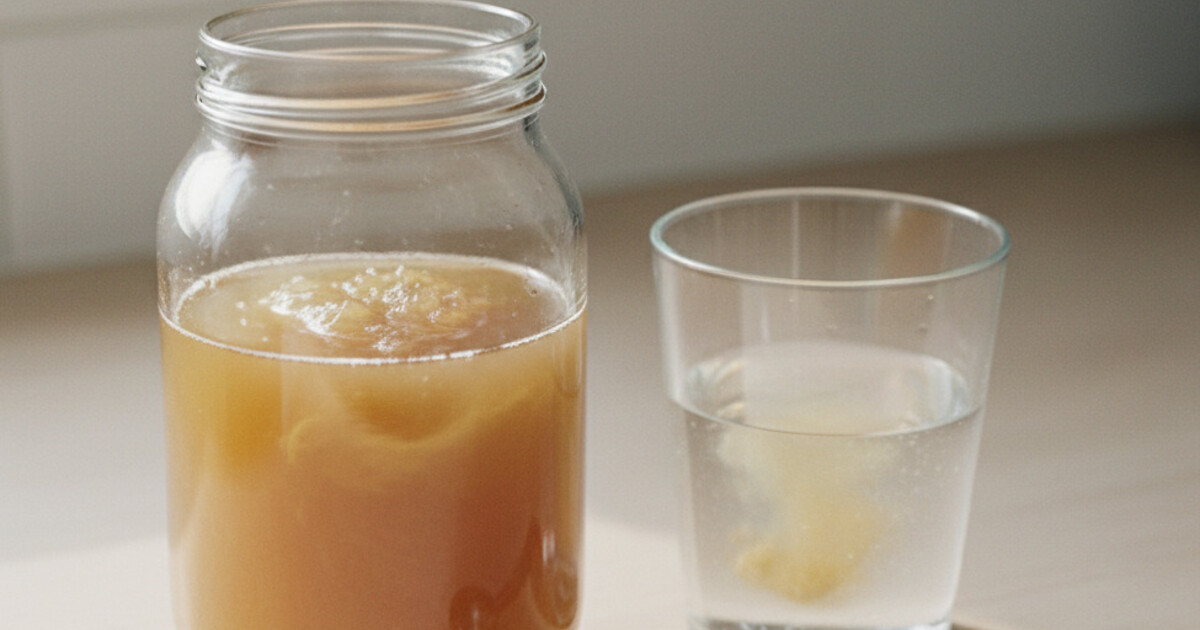
Apple cider vinegar has become one of those morning staples people swear by. A tablespoon in a glass of water before the day starts. A quick shot before bed. Or, more recently, a couple of gummies on the way out the door. If you're doing intermittent fasting, you've probably wondered whether any of that counts against your fast.
The form you choose makes all the difference. Plain liquid ACV clears the threshold most fasting researchers use. The gummy version usually doesn't. And the timing of when you take it affects whether you get the blood sugar benefits you're aiming for in the first place.
Here's what the research says.
Does apple cider vinegar break a fast? Plain liquid apple cider vinegar (1 to 2 tablespoons in water) contains 3 to 6 calories and won't break most intermittent fasting protocols. ACV gummies almost always break a fast: most brands carry 15 to 25 calories from added sugars. Stick to liquid ACV diluted in water during your fasting window. The gummies belong in your eating window.
Does Apple Cider Vinegar Break a Fast?
The standard rule most fasting researchers use: anything under 10 calories is unlikely to trigger a meaningful insulin response. Plain liquid ACV sits comfortably in that range.
One tablespoon of raw apple cider vinegar has about 3 calories. Two tablespoons get you to 6. The acetic acid in ACV doesn't raise blood glucose on its own, and that caloric load is too small to pull your body out of a fasted state.
ACV also contains no carbohydrates, no protein, and no fat. There's nothing there to stimulate the digestive pathways that food would.
Liquid apple cider vinegar taken during an intermittent fasting window is unlikely to break the fast for most protocols. The caloric content is minimal: one tablespoon contains roughly 3 calories, and two tablespoons comes in at about 6. This falls well below the 10-calorie practical threshold that fasting researchers, including Dr. Jason Fung, use when assessing what disrupts a fasted state. ACV contains no carbohydrates, protein, or fat, which means it won't stimulate the digestive pathways that food would. The acetic acid in ACV may actually support fasting goals by slowing gastric emptying, reducing the glycemic spike from your first post-fast meal, and providing mild appetite suppression during longer fasting windows. A 2022 systematic review in BMC Complementary Medicine found that ACV consumption reduced fasting blood glucose by an average of 8.7 mg/dL in people with type 2 diabetes. For those fasting for metabolic benefits, timing ACV at the start of the fasting window or just before breaking the fast may amplify those blood sugar outcomes.
The caveat is gummies. Most ACV gummies carry 15 to 25 calories per serving from added sugars. Some brands use cane sugar, others use glucose syrup. That's a real glycemic load, enough to trigger an insulin response and end your fast. (More on that in the next section.)
If you want to know what else is safe to have during your fasting window, the complete guide to what breaks a fast covers everything from black coffee to chewing gum.
ACV Gummies vs Liquid: Why the Form Matters
The "apple cider vinegar" in gummies and the vinegar in the bottle aren't the same thing in practice.
Liquid ACV is diluted acetic acid with a trace amount of calories. Most brands run 3 to 5 calories per tablespoon. Raw unfiltered versions also contain the "mother," a strand of proteins, enzymes, and beneficial bacteria.
Gummies are a different product. They need binders, sweeteners, and flavorings to hold together and taste tolerable. A standard 2-gummy serving from brands like Goli or Nature's Bounty contains:
- 15 to 25 calories
- 4 to 6 grams of added sugar
- Sometimes maltodextrin as a filler
That sugar load matters. Even 15 calories from sugar is enough to produce an insulin spike that pulls your body out of the fasted state. If you're doing 16:8 or 18:6 fasting for metabolic benefits, gummies taken during the fasting window work against the goal.
Save the gummies for your eating window. For the fasting window, liquid only.
Benefits of Apple Cider Vinegar While Fasting
People take ACV during their fast for a few specific reasons, and the research backs at least two of them.
Blood sugar control. The most documented benefit is ACV's effect on post-meal glucose. Acetic acid slows gastric emptying, which blunts the glucose spike when you eventually eat. This is particularly useful after a 16+ hour fasting window, when your first meal can cause a sharper spike than usual.
Appetite suppression. Some fasters find ACV blunts hunger during the fasting window. A 2005 study in the European Journal of Clinical Nutrition found that acetic acid reduced caloric intake by 200 to 275 calories in meals following consumption. For anyone trying to manage hunger during a longer fast, that's a real effect.
The blood sugar angle is the most practical one. If you're fasting for metabolic health, 1 to 2 tablespoons of liquid ACV at the start of your fasting window or 20 to 30 minutes before breaking your fast gives your insulin response a head start on that first meal.
Worth noting: ACV isn't a replacement for electrolytes. If you're doing fasting windows longer than 16 hours, you still need sodium, potassium, and magnesium. The guide to electrolytes while fasting covers what you actually need and when.
How to Take Apple Cider Vinegar While Fasting
The one hard rule: always dilute it.
Straight ACV has a pH around 2 to 3. Taking it undiluted over time damages tooth enamel and irritates the esophagus. Mix 1 to 2 tablespoons into at least 8 ounces of water before drinking.
Timing options:
- Start of fasting window: A tablespoon in water right after your eating window closes. This sets your metabolic baseline for the fast and may reduce overnight hunger.
- Mid-fast (hour 12 to 15): If hunger picks up during a longer fasting window, ACV in a large glass of water can blunt it. Pair this with other tactics from the how to stop hunger while fasting guide.
- Before breaking your fast: 20 to 30 minutes before your first meal. This positions ACV to reduce the glucose spike from that meal, which is when the blood sugar benefit is most relevant.
Use raw, unfiltered ACV labeled "with the mother." You get the bacterial strains and enzymes that refined ACV strips out during processing. Bragg's is the most widely available option; any raw, unfiltered variety works.
One to 2 tablespoons per day is the standard dose in most research. Going over that doesn't add benefit and raises the acidity your teeth and throat have to deal with.
What Apple Cider Vinegar Can't Do
ACV is useful within a specific lane, and it's worth knowing where that lane ends.
It won't speed up fat burning on its own. It won't meaningfully extend autophagy or shift your ketone levels. The blood sugar effect is real, but it works in the context of a fast you're already running correctly. The fasting itself drives the metabolic changes; ACV is a supporting detail.
Understanding the stages of fasting and what your body actually does hour by hour helps put ACV's role in perspective. The metabolic switch to ketosis, the autophagy activation, the hormone changes, those are products of fasting duration and consistency. ACV can support those processes around the edges, but it's not doing the heavy lifting.
The other thing ACV can't replace: knowing exactly when your fasting window starts and ends. Timing matters more than what you sip during it.
How FastFocus Helps You Build a Consistent Fasting Routine
Timing your ACV correctly depends on knowing exactly where you are in your fasting window. That's where a reliable tracker comes in.
FastFocus gives you a real-time visual timer that shows your fasting progress at a glance. Choose a certified protocol (16:8, 18:6, 20:4, OMAD, or 5:2) and FastFocus tracks your streak, sends smart notifications when your window opens and closes, and stores your fasting history so you can see patterns over time.
The community feature lets you connect with other fasters who share what's working for them. Many fasters build timing rituals around their windows: ACV at the window open, black coffee at hour 4, electrolytes at hour 12. Seeing how others structure their fasts can help you find a rhythm that holds.
Download FastFocus on iOS or Android to set up your protocol and start tracking your fasting windows today.
Frequently Asked Questions
Can I take ACV gummies during my fasting window?
Most ACV gummies contain 15 to 25 calories from added sugars, which is enough to trigger an insulin response and break a fast. Save the gummies for your eating window. During your fasting window, use 1 to 2 tablespoons of plain liquid ACV diluted in 8 ounces of water instead.
Does ACV help with hunger during a fast?
Yes, there's solid evidence for this. A 2005 study in the European Journal of Clinical Nutrition found that acetic acid reduced food intake by 200 to 275 calories in subsequent meals. Many fasters find that a tablespoon of ACV in a large glass of water at the 12 to 14 hour mark blunts appetite effectively.
How much apple cider vinegar is safe while fasting?
1 to 2 tablespoons diluted in at least 8 ounces of water per day. More than 2 tablespoons doesn't add benefit and increases the acid load on your teeth and esophagus. Always dilute; don't take it straight.
Does ACV improve the benefits of intermittent fasting?
ACV may support some metabolic outcomes, particularly blood sugar control. A 2022 systematic review in BMC Complementary Medicine found it reduced fasting blood glucose by an average of 8.7 mg/dL. It doesn't replace the fasting itself, but it can complement the metabolic work your fast is already doing.
What type of ACV is best for fasting?
Raw, unfiltered ACV labeled "with the mother" is the standard choice. It contains acetic acid plus enzymes and bacterial strains that refined ACV doesn't. Bragg's is the most common option. Any raw, unfiltered variety works the same way.