You just finished a fast. Your stomach is empty, your body is primed to absorb nutrients, and you're probably starving. So what do you reach for? That first meal after fasting matters more than most people think. The wrong choice can leave you bloated, sluggish, or riding a blood sugar roller coaster. The right one can amplify the benefits you just earned during your fast.
Whether you follow a 16:8 intermittent fasting protocol or do longer extended fasts, this guide covers the 15 best foods to break your fast -- and how to structure that first meal so your body thanks you for it.
Why What You Eat After Fasting Matters
During a fast, your digestive system slows down. Stomach acid production decreases, digestive enzyme output drops, and your gut enters a resting state. When you eat again, your body needs time to ramp back up.
Three things are happening simultaneously when you break your fast:
- Digestive sensitivity. Your gut hasn't processed food in hours (or days). Flooding it with heavy, greasy, or highly processed food can cause cramping, nausea, and discomfort. Starting with gentler foods gives your digestive system time to wake up.
- Blood sugar response. After fasting, your body is more insulin-sensitive. That's actually a good thing -- it means your cells are ready to absorb glucose efficiently. But if you slam a sugary meal, that heightened sensitivity can cause a sharp spike followed by a crash, leaving you tired and hungry again within an hour.
- Nutrient absorption. Your body is in a primed state to absorb nutrients. The foods you choose in this window get absorbed more efficiently than usual. This is your chance to deliver high-quality nutrition when your body can make the most of it.
The takeaway: break your fast with whole, nutrient-dense foods. Start small, eat slowly, and build up from there.
The 15 Best Foods to Break a Fast
Proteins
Protein is essential after a fast. It supports muscle repair, keeps you satiated, and has a minimal impact on blood sugar. But not all protein sources are equally easy on a resting stomach.
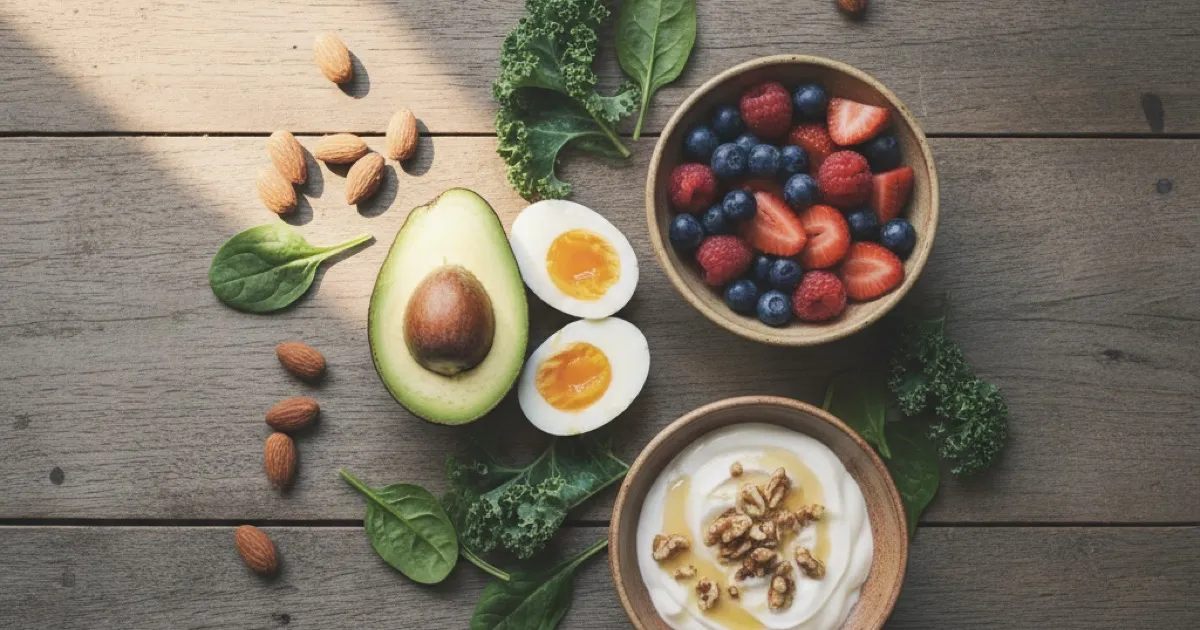
- Eggs. Scrambled, soft-boiled, or poached -- eggs are one of the most balanced foods you can eat to break a fast. They deliver complete protein, healthy fats, choline, and B vitamins in a form that's easy to digest. Avoid frying them in heavy oil; a light scramble with a bit of butter or olive oil is ideal.
- Greek yogurt. High in protein and naturally rich in probiotics, Greek yogurt is gentle on the stomach and supports gut health right when your digestive system is restarting. Choose plain, full-fat yogurt and add your own berries or a drizzle of honey. Flavored varieties are often loaded with added sugar.
- Bone broth. This is the gold standard for breaking longer fasts. Bone broth is warm, liquid, rich in electrolytes (sodium, potassium, magnesium), and contains collagen and amino acids like glycine that support gut lining repair. It's essentially a digestive warm-up. Sip a cup 15-30 minutes before your main meal to gently restart your system.
- Fish. Salmon, cod, and other fatty fish deliver high-quality protein alongside omega-3 fatty acids, which are anti-inflammatory. Baked or steamed fish is easier to digest than fried, and pairs well with cooked vegetables for a complete post-fast meal.
Healthy Fats
Fats slow digestion, prevent blood sugar spikes, and help you absorb fat-soluble vitamins (A, D, E, K). Including healthy fats in your first meal keeps you full longer and provides steady energy.
- Avocado. Creamy, nutrient-dense, and packed with monounsaturated fats, potassium, and fiber. Avocado is gentle on the stomach and pairs well with eggs or on its own with a pinch of salt. Half an avocado is a great addition to any fast-breaking meal.
- Nuts and nut butters. Almonds, walnuts, and cashews provide healthy fats, protein, and minerals. Start with a small handful rather than a large portion -- nuts are calorie-dense and can be hard to digest in large quantities on an empty stomach. Almond butter spread on a banana is a simple, effective option.
- Extra virgin olive oil. Drizzle it on cooked vegetables, salads, or use it to prepare your eggs. Olive oil is rich in oleic acid and polyphenols with anti-inflammatory properties. It adds healthy fat to your meal without overwhelming your digestive system.
Complex Carbohydrates
Complex carbs provide sustained energy without the sharp blood sugar spikes that refined carbs cause. They're especially important if you've been fasting for 16+ hours and your glycogen stores are depleted.
- Sweet potato. Baked or steamed sweet potato is rich in complex carbohydrates, beta-carotene, fiber, and potassium. It has a moderate glycemic index and pairs well with protein for a balanced post-fast meal. The fiber content slows glucose absorption, preventing spikes.
- Oats. A bowl of oatmeal (not the instant, sugar-loaded packets) is warm, filling, and easy to digest. Oats contain beta-glucan fiber, which feeds beneficial gut bacteria and helps regulate blood sugar. Top with berries and a spoonful of nut butter for a well-rounded meal.
- Quinoa. A complete protein source that also delivers complex carbs, fiber, iron, and magnesium. Quinoa is versatile -- serve it as a base for a grain bowl with vegetables and fish, or mix it into a salad. It's lighter than rice and easier to digest after a fast.
Fruits and Vegetables
Whole fruits and cooked vegetables provide vitamins, minerals, antioxidants, and fiber. They help rehydrate the body and supply quick, natural energy without the crash that comes from processed sugar.
- Berries. Blueberries, strawberries, and raspberries are low in sugar relative to other fruits and packed with antioxidants. They pair well with yogurt or oatmeal and won't spike your blood sugar. Their fiber content also supports healthy digestion.
- Bananas. If you need quick, easily digestible energy, a banana is hard to beat. Bananas are rich in potassium (which you may be low on after fasting), natural sugars for immediate fuel, and pectin, which is gentle on the stomach. Pair with nut butter to add protein and fat for a more balanced option.
- Cooked vegetables. Steamed broccoli, zucchini, spinach, or carrots are much easier to digest than raw vegetables after a fast. Cooking breaks down the fiber and cellular structure, reducing the digestive effort required. Raw vegetables and large salads are fine later in your eating window, but cooked veggies are better as a first meal.
- Leafy greens. Spinach, kale, and Swiss chard are mineral-rich and low in calories. Lightly sauteed in olive oil with garlic, they make an excellent side dish for your post-fast protein. They provide folate, iron, and magnesium -- nutrients your body is ready to absorb efficiently.
Fermented Foods
Fermented foods introduce beneficial bacteria into your gut, which is especially valuable after fasting when your microbiome is in a receptive state.
- Kimchi and sauerkraut. Both are rich in probiotics, enzymes, and organic acids that support digestion. A small serving alongside your main meal can help your gut repopulate with beneficial bacteria. Start with a tablespoon or two -- too much fermented food on an empty stomach can cause gas and bloating in some people.
Foods to Avoid When Breaking a Fast
Just as important as knowing what to eat is knowing what to skip. These foods can undo the benefits of your fast or cause serious digestive discomfort:
- Processed and ultra-processed foods. Fast food, chips, frozen meals, and packaged snacks are high in refined oils, sodium, and additives. They spike blood sugar, promote inflammation, and provide little nutritional value -- the opposite of what your body needs in its nutrient-primed state.
- Sugary drinks and juices. Soda, fruit juice, sweetened coffee drinks, and energy drinks deliver a massive sugar hit with no fiber to slow absorption. After fasting, your insulin sensitivity is elevated, making these drinks particularly likely to cause a blood sugar spike and crash.
- Fried and greasy food. Fried chicken, french fries, and other deep-fried foods are extremely hard to digest even on a full stomach. On an empty one, they can cause nausea, bloating, and acid reflux. Save these for later in your eating window if at all.
- Large portions. Even healthy food can cause problems if you eat too much too fast. Your stomach has contracted during the fast, and its capacity is temporarily reduced. Eating a massive meal immediately can cause cramping, bloating, and discomfort. Start with a moderate plate and wait 20-30 minutes before deciding if you need more.
- Raw cruciferous vegetables. Raw broccoli, cauliflower, and Brussels sprouts are high in fiber and raffinose, a sugar that can cause gas. They're healthy foods, but they're not ideal as the very first thing you eat after a fast. Cook them instead, or save them for a later meal.
How to Structure Your First Meal After Fasting
The best post-fast meals aren't complicated. Follow this simple framework:
- Start with something liquid or soft. A cup of bone broth, a small serving of yogurt, or a few sips of warm water with lemon. This gently signals your digestive system to wake up without overwhelming it.
- Wait 15-20 minutes. Give your stomach acid and enzymes time to ramp up before eating your main meal.
- Build a balanced plate. Combine a protein source, a healthy fat, and a complex carbohydrate. For example: scrambled eggs with avocado and sweet potato, or baked salmon with quinoa and sauteed spinach.
- Add a small serving of fermented food. A spoonful of sauerkraut or kimchi on the side supports your gut microbiome.
- Eat slowly. Chew thoroughly and take your time. Eating too quickly is one of the most common mistakes people make when breaking a fast. Your hunger might be intense, but your stomach needs you to pace yourself.
A good rule of thumb: your first meal after fasting should look like a normal, healthy meal -- not a feast. You have the rest of your eating window to consume additional calories.
Adjusting for Different Fasting Durations
Not all fasts are equal, and how you break them should reflect that. The longer your fast, the more carefully you need to ease back into eating.
Shorter Fasts (12-18 hours)
This covers the most popular protocols, including 16:8 intermittent fasting. For these durations, your digestive system hasn't shut down significantly. You can break the fast with a normal balanced meal -- just prioritize whole foods over processed ones. Eggs, yogurt, oatmeal, or a grain bowl are all solid choices. You don't need to do a broth warm-up for a standard 16-hour fast, though it certainly doesn't hurt.
Medium Fasts (18-24 hours)
At this duration, your digestive system has slowed down noticeably. Start with something gentle -- bone broth, a small portion of yogurt, or a banana -- and wait 15-20 minutes before eating a full meal. Avoid heavy or fried foods as your very first bite. Your main meal should emphasize easily digestible proteins and cooked vegetables.
Extended Fasts (24-48+ hours)
Extended fasts require the most careful refeeding. Your gut has been inactive for a significant period, and jumping straight into a large meal can cause refeeding discomfort or worse. Start with bone broth and wait 30 minutes. Follow with a small portion of easily digestible food -- soft-cooked eggs, steamed vegetables, or a small serving of fish. Over the next several hours, gradually increase portion sizes and food complexity. If you're doing fasts longer than 48 hours, consult a healthcare provider for personalized refeeding guidance.
Track Your Meals and Fasting Windows
Knowing the best foods to break a fast is one thing. Consistently timing your meals and tracking what works for your body is another. That's where having a structured system helps.
FastFocus lets you track your fasting windows and eating periods so you can see exactly when your fast ends and plan your post-fast meal accordingly. If you're new to intermittent fasting, having a clear timer and history of your fasts makes it easier to build consistency and spot patterns -- like which foods leave you feeling energized versus sluggish after breaking a fast.
Over time, you'll develop your own go-to post-fast meals based on what your body responds to best. Tracking makes that process faster and more deliberate.
Quick Reference: Post-Fast Meal Ideas
Here are five ready-to-use meal combinations for breaking your fast:
- The Classic: Scrambled eggs + half an avocado + sauteed spinach
- The Bowl: Quinoa + baked salmon + steamed broccoli + olive oil drizzle
- The Simple Start: Greek yogurt + mixed berries + a handful of almonds
- The Warm-Up: Bone broth first, then oatmeal with banana and almond butter
- The Light Plate: Baked sweet potato + poached eggs + kimchi on the side
The Bottom Line
Breaking your fast isn't about restriction -- it's about giving your body what it needs when it's most ready to receive it. Stick with whole, nutrient-dense foods. Prioritize protein, healthy fats, and complex carbs. Start small and eat slowly. Avoid processed junk, sugary drinks, and oversized portions.
The 15 foods on this list -- eggs, Greek yogurt, bone broth, fish, avocado, nuts, olive oil, sweet potato, oats, quinoa, berries, bananas, cooked vegetables, leafy greens, and fermented foods like kimchi -- cover everything your body needs to transition smoothly from fasting to eating.
Get these habits right, and every fast you complete will deliver better results.