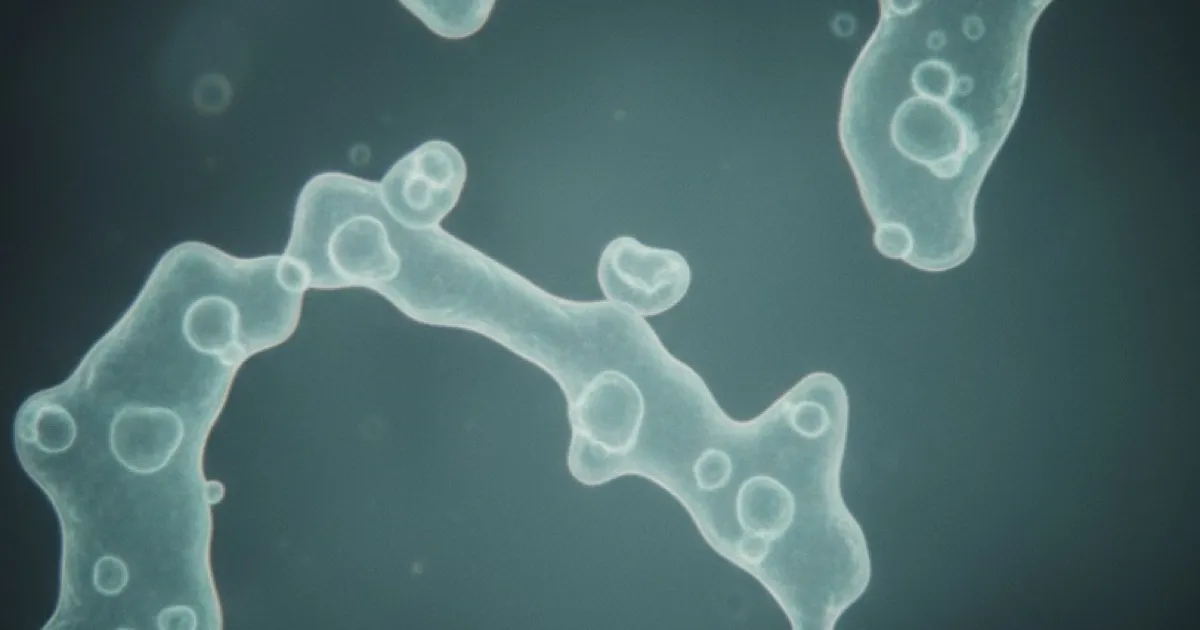
Autophagy fasting is the practice of fasting long enough to trigger autophagy — your body's built-in system for recycling damaged cells. The word comes from Greek: "auto" (self) and "phagy" (eating). Your cells literally eat their own broken parts, break them down, and reuse the components to build new, functional structures.
Autophagy is your body's cellular recycling process, where damaged proteins and dysfunctional organelles are broken down and rebuilt. Fasting triggers autophagy after roughly 16-18 hours without food. The process intensifies through 24-72 hours and is linked to reduced inflammation, slower aging, and lower disease risk.
This isn't fringe science. Yoshinori Ohsumi won the 2016 Nobel Prize in Physiology or Medicine for discovering the mechanisms of autophagy. Since then, research has accelerated — and fasting has emerged as the most reliable, accessible way to activate it. Here's what happens during autophagy fasting, how long you need to fast, and how to do it safely.
What Is Autophagy and Why Does It Matter?
Every cell in your body accumulates damage over time. Proteins misfold. Mitochondria stop producing energy efficiently. Cellular debris builds up. When this damage isn't cleared, it contributes to aging, chronic disease, and reduced organ function.
Autophagy is the cleanup crew. When activated, your cells identify damaged components, wrap them in a membrane (called an autophagosome), and deliver them to lysosomes for breakdown. The resulting amino acids and molecular building blocks are then recycled into new, functional cell parts.
This process matters because accumulated cellular damage is linked to:
- Neurodegenerative diseases (Alzheimer's, Parkinson's) — misfolded protein buildup in brain cells
- Cancer — damaged cells that should be cleared but aren't
- Heart disease — dysfunction in cardiac cell mitochondria
- Accelerated aging — loss of cellular efficiency across all tissues
- Weakened immune function — old immune cells that aren't replaced
Autophagy acts as quality control. It removes what's broken so your cells function better. When autophagy is suppressed (through constant eating, high insulin, or chronic inflammation), cellular damage accumulates faster than it's repaired.
When Does Autophagy Start During Fasting?
Autophagy isn't an on/off switch. It's a gradual process that increases over time as fasting continues. Here's the timeline based on current research.
Hours 0-12: Baseline autophagy. Your body always runs some level of autophagy, even when you're eating. During this phase, it's at baseline levels. Your body is still processing your last meal, insulin is elevated, and mTOR (a growth-signaling protein that suppresses autophagy) is active.
Hours 12-16: Autophagy begins ramping up. As insulin drops and glycogen depletes, your body shifts from growth mode to repair mode. AMPK (an enzyme that activates autophagy) begins rising. Autophagy markers start increasing above baseline. This is the transition zone.
Hours 16-24: Meaningful autophagy. By 16-18 hours, most people are in a state where autophagy is measurably elevated. This is why 16:8 fasting is the minimum effective dose for autophagy benefits. The longer you stay in this window, the more cellular cleanup occurs.
Hours 24-48: Accelerated autophagy. Studies show autophagy markers increase by roughly 300% above baseline at the 24-hour mark. Your body is aggressively recycling damaged proteins and organelles. Ketone levels rise significantly, providing fuel while cells focus on repair rather than growth.
Hours 48-72: Peak autophagy zone. This is where the deepest cellular cleanup happens. Damaged mitochondria are broken down and rebuilt. Old immune cells are cleared and replaced. Research suggests this window produces the most dramatic cellular renewal. Extended water fasts of 48-72 hours target this zone specifically.
Beyond 72 hours: Autophagy continues but the risk-benefit ratio shifts. Muscle breakdown increases, electrolyte imbalances become dangerous, and medical supervision is recommended. For most people, 24-72 hours captures the bulk of autophagy benefits.
Important caveat: These timelines are approximate. We can't directly measure autophagy in living humans. These estimates come from indirect markers (AMPK activity, LC3 protein levels, ketone production) and animal studies. Individual variation exists based on body composition, metabolic health, activity level, and diet before the fast.
What Triggers and Blocks Autophagy
Understanding what activates and inhibits autophagy helps you get more from your fasting practice.
Triggers (autophagy activators):
- Fasting (the most potent natural trigger)
- Exercise (especially endurance exercise)
- Calorie restriction
- Sleep (autophagy increases during deep sleep)
- Certain compounds: caffeine, EGCG from green tea, resveratrol, spermidine
Blockers (autophagy inhibitors):
- Eating (any calorie intake stimulates mTOR and suppresses autophagy)
- High insulin levels (from frequent meals, sugar, refined carbs)
- Excess protein (amino acids, particularly leucine, activate mTOR)
- Chronic inflammation
- Poor sleep
This is why what you eat matters during your fasting window. Even small amounts of calories — a splash of cream in your coffee, a handful of nuts — can spike insulin enough to blunt autophagy. Black coffee is fine and may actually enhance autophagy through caffeine's effect on AMPK activation.
Autophagy Fasting Benefits: What the Research Shows
The research on autophagy is extensive in animals and growing in humans. Here's what we know with reasonable confidence.
Brain health. Neurodegenerative diseases like Alzheimer's and Parkinson's involve accumulation of misfolded proteins (amyloid plaques, tau tangles, alpha-synuclein). Autophagy clears these aggregates. Animal studies show fasting-induced autophagy reduces plaque burden and improves cognitive function. Human trials are ongoing, but the mechanism is well-established.
Immune system renewal. A 2014 study from USC found that extended fasting (48-72 hours) triggered stem cell-based regeneration of the immune system. Old, damaged white blood cells were broken down via autophagy and replaced with new ones. This is particularly relevant for aging immune systems and for people recovering from chemotherapy.
Cancer prevention. Autophagy plays a dual role in cancer. In healthy cells, autophagy prevents cancer by removing damaged DNA and dysfunctional organelles before they become malignant. Several observational studies link regular fasting with lower cancer incidence. However, in existing tumors, cancer cells can sometimes hijack autophagy to survive. If you have cancer, consult your oncologist before fasting.
Heart health. Autophagy clears damaged mitochondria in cardiac cells, improving heart function. Research shows fasting reduces markers of cardiovascular disease including inflammation, oxidized LDL cholesterol, and arterial plaque formation.
Longevity. Every organism studied — yeast, worms, flies, mice — lives longer when autophagy is enhanced through fasting or calorie restriction. Human longevity data is harder to collect, but populations with traditional fasting practices (Okinawans, certain religious communities) consistently show longer lifespans.
Skin and tissue repair. Autophagy in skin cells clears damaged collagen and elastin fibers, contributing to skin quality. Some fasters report improved skin appearance after months of consistent fasting, though controlled studies on this specific benefit are limited.
How to Fast for Maximum Autophagy
Your approach depends on what's sustainable and what level of autophagy you're targeting.
Daily autophagy maintenance: 16:8 or 18:6 fasting. Fasting 16-18 hours daily provides a daily window of elevated autophagy. This won't produce the deep cellular cleanup of an extended fast, but it compounds over months. If you do this consistently, you're getting regular autophagy activation that most people eating three meals plus snacks never experience. Use a fasting schedule that fits your lifestyle.
Monthly deep cleanup: 24-48 hour fast. Once or twice per month, extend your fast to 24-48 hours. This pushes autophagy into the accelerated zone (300%+ above baseline). Pair this with your regular daily fasting for the best combined effect.
Quarterly reset: 48-72 hour water fast. For experienced fasters, a longer water fast once per quarter provides the deepest autophagy. This is where immune system renewal and significant cellular repair occur. Requires preparation, electrolyte supplementation, and careful refeeding.
Maximize autophagy during any fast:
- Avoid all calories during your fasting window (even small amounts suppress autophagy)
- Stay hydrated — water, black coffee, plain tea
- Exercise lightly during the fast (movement boosts AMPK and autophagy)
- Sleep well the night before (sleep primes autophagy pathways)
- Avoid breaking your fast with high-sugar or processed foods (they spike mTOR aggressively)
Autophagy vs. Weight Loss: Different Goals, Different Fasting
Many people fast primarily for weight loss. Autophagy fasting overlaps with fat loss but isn't identical.
Fat burning starts around 12-14 hours into a fast. Meaningful autophagy starts around 16-18 hours. Both continue to increase with time. But the optimal strategies differ slightly:
For weight loss: Total calorie deficit matters most. A consistent 16:8 schedule with clean eating during your window produces steady fat loss over months. You don't need extended fasts.
For autophagy: Duration of each fast matters more. Longer individual fasts (24-72 hours) produce deeper autophagy than daily 16:8, even if the total fasting hours per month are similar. Periodic extended fasts are the most effective tool.
For both: Daily 16:8 or 18:6 fasting provides moderate autophagy and steady fat loss. Add a monthly 24-48 hour fast for deeper cellular benefits. This combination gives you the best of both approaches.
How to Track Your Autophagy Fasting
You can't directly measure autophagy at home. But you can track the inputs that drive it: fasting duration, consistency, and the metabolic markers that correlate with autophagy activation.
FastFocus tracks your fasting hours in real time. Start your timer and watch the hours accumulate past the 16, 18, and 24-hour autophagy milestones. Your fasting history shows every session, so you can see how many 16+ hour fasts you've completed per month. The streak tracker keeps you consistent with daily fasting, and the weight tracker connects your fasting patterns to body composition changes over time.
Frequently Asked Questions
How many hours of fasting does it take to start autophagy?
Autophagy begins ramping up around 12-16 hours and becomes meaningfully elevated at 16-18 hours. It continues to increase through 24, 48, and 72 hours. The 16-hour mark is the minimum effective dose for most people, which is why 16:8 fasting is the most common autophagy-targeting protocol.
Can I trigger autophagy with 16:8 fasting?
Yes. A 16-hour fast puts you in the early stages of elevated autophagy. It won't produce the deep cellular cleanup of a 48-hour fast, but daily 16:8 fasting provides consistent low-level autophagy activation that compounds over weeks and months. For deeper autophagy, extend to 24+ hours periodically.
Does coffee break autophagy?
Black coffee does not break autophagy. In fact, caffeine activates AMPK, which may enhance autophagy. However, adding cream, sugar, or milk introduces calories and can spike insulin, which suppresses autophagy. Stick to black coffee or plain tea during your fasting window.
What are the signs that autophagy is happening?
You can't feel autophagy directly. Indirect signs include mental clarity (from elevated ketones), reduced hunger after 18-24 hours (hormonal adaptation), and improved energy. Over weeks of consistent fasting, many people notice better skin, reduced inflammation, and improved recovery from exercise.
Is autophagy dangerous?
Autophagy itself is a normal, healthy cellular process. The risks come from extended fasting, not from autophagy. Fasts over 24 hours require electrolyte supplementation and careful refeeding. Fasts over 72 hours should involve medical supervision. People with eating disorders, diabetes, or who are pregnant should not pursue extended fasting for autophagy.
Start Your Autophagy Practice
Autophagy fasting doesn't require extreme measures. A daily 16:8 fast gives you a baseline of cellular cleanup. Monthly 24-hour fasts deepen the effect. Over time, consistent fasting keeps your cells cleaner and more efficient than constant eating ever could.
Track your fasting with FastFocus — set your protocol, start the timer, and see your fasted hours accumulate past the autophagy threshold. Free on iOS and Android.