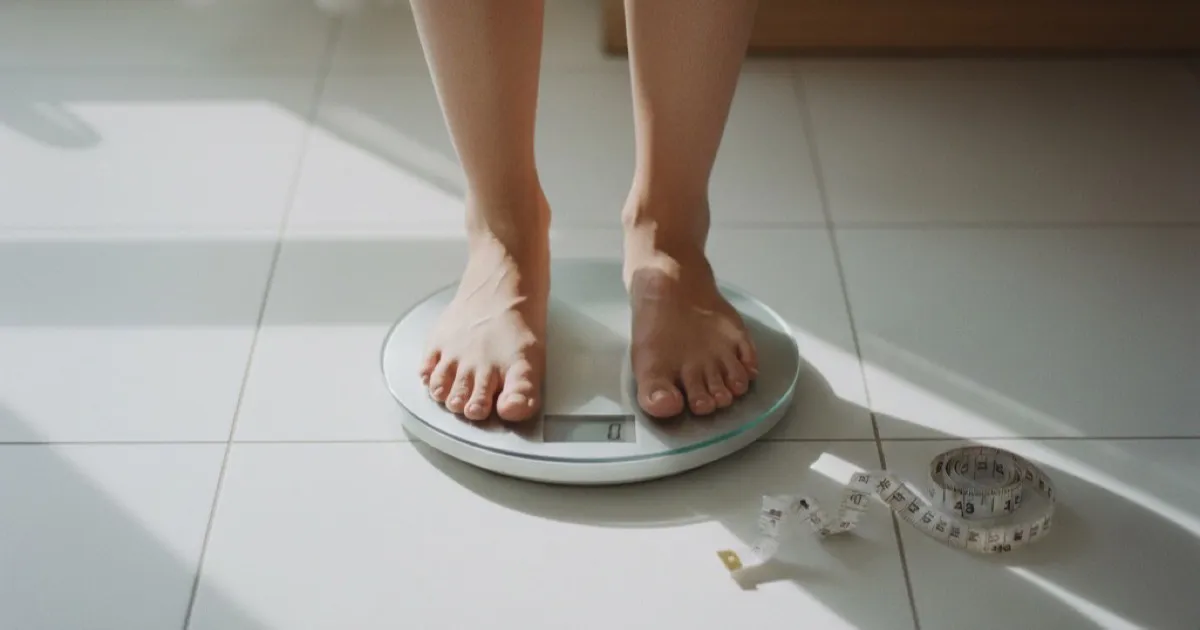
Fasting for weight loss works. Studies consistently show that intermittent fasting produces similar weight loss results to traditional calorie-restricted diets — and many people find it easier to maintain long-term.
But fasting isn't magic. You can fast for 16 hours and still gain weight if you overeat during your eating window. The mechanism is straightforward: fasting makes it easier to eat fewer total calories by compressing your meals into a shorter period. The metabolic benefits are real, but the calorie math still matters.
Here's how fasting actually drives weight loss, which methods work best, and how to avoid the common mistakes that stall results.
How Fasting Causes Weight Loss
Fasting doesn't burn fat through willpower or discipline. It creates specific metabolic conditions that make fat loss easier.
Calorie Reduction Without Tracking
The simplest explanation: when you eat in a shorter window, you tend to eat less. Skipping breakfast eliminates 300-500 calories for most people. Even if you eat slightly larger lunches and dinners, you rarely make up the full difference.
A 2022 meta-analysis across 27 studies found that intermittent fasting participants reduced their daily intake by 200-550 calories on average, even without being told to count calories. The structure of the eating window does the work for you.
Insulin and Fat Storage
When you eat, your body releases insulin. Insulin tells your cells to absorb glucose from your blood. While insulin is elevated, your body is in storage mode — it's processing and storing fuel, not burning fat.
During a fast, insulin drops to baseline levels. With insulin low, your body switches to burning stored fat for energy. This metabolic switch typically happens 12-14 hours into a fast, which is why 16:8 fasting is the most popular weight loss protocol — it gives you 2-4 hours of active fat burning per day.
Fat Oxidation
After 14-16 hours without food, your body increasingly relies on fatty acids for fuel. Your liver converts stored fat into ketone bodies, which your brain and muscles can use for energy. This is the same process that happens during prolonged exercise or very low-carb diets, but fasting triggers it without dietary restriction.
Research shows that fat oxidation rates increase by 20-30% during fasted states compared to fed states. You're literally burning more fat per hour.
Metabolic Rate Preservation
Traditional calorie-restricted diets often slow your metabolic rate. Your body adapts to fewer calories by burning fewer calories — a frustrating plateau that makes continued weight loss harder.
Short-term fasting (up to 48 hours) appears to avoid this problem. Some studies show a slight increase in metabolic rate during the first 24-36 hours of fasting, likely due to increased norepinephrine release. This means fasting may protect your metabolism better than constant calorie restriction.
Which Fasting Schedule Burns the Most Fat?
All intermittent fasting methods can produce weight loss. The differences are in sustainability and speed.
16:8 is the most studied and most sustainable for weight loss. Average weight loss in studies: 3-8% of body weight over 3-12 months. This is the schedule most doctors and dietitians recommend starting with.
18:6 produces slightly faster results because you have a longer fat-burning window. However, it's harder to maintain and some people struggle to get enough nutrients in a 6-hour window.
20:4 and OMAD can produce faster initial weight loss but come with higher dropout rates. Getting adequate nutrition in one or two meals is challenging, and the extreme hunger can lead to binge eating.
5:2 (500-600 calories on two days per week) produces comparable weight loss to daily fasting methods. Some people prefer it because they only "diet" two days a week.
The research is clear: the best fasting schedule for weight loss is the one you'll follow consistently for months. A schedule that fits your lifestyle beats an aggressive one you abandon after two weeks.
What to Eat During Your Eating Window
Fasting creates the conditions for weight loss. What you eat determines how much weight you actually lose.
Prioritize Protein
Protein is the most important nutrient for weight loss during fasting. It preserves muscle mass (you want to lose fat, not muscle), keeps you full longer, and has the highest thermic effect — your body burns more calories digesting protein than carbs or fat.
Aim for 0.7-1 gram of protein per pound of body weight. For a 160-pound person, that's 112-160 grams of protein per day. Good sources: chicken breast, fish, eggs, Greek yogurt, legumes, tofu.
Don't Fear Healthy Fats
Fats keep you satisfied and help your body absorb vitamins. Include avocado, nuts, olive oil, and fatty fish in your meals. Fat doesn't spike insulin the way refined carbs do, so it complements your fasting goals.
Fill Up on Fiber
Fiber-rich foods (vegetables, fruits, whole grains, beans) add volume to your meals without many calories. They also slow digestion, keeping you full longer — which matters when your next meal might be 16 hours away.
Minimize Processed Foods and Sugar
Processed foods and added sugar spike insulin, increase hunger, and add empty calories. A bag of chips during your eating window can undo hours of fasting benefit. You don't need to be perfect, but the more whole foods you eat, the better your results.
For specific meal ideas, check our guide on the best foods to eat after fasting.
How Much Weight Can You Lose With Fasting?
Setting realistic expectations prevents frustration.
Week 1-2: You'll likely lose 2-5 pounds. Most of this is water weight as your body depletes glycogen stores. It's real weight loss, but don't expect this pace to continue.
Month 1: Expect 4-8 pounds of total loss (including the initial water weight). Fat loss at this point is roughly 1-2 pounds per week if you're in a calorie deficit.
Months 2-6: Steady fat loss of 0.5-1.5 pounds per week. This is sustainable and healthy. Anything faster suggests you're losing muscle too.
After 6 months: Most studies show total weight loss of 7-11% of starting body weight. For a 200-pound person, that's 14-22 pounds of sustained loss.
These numbers assume consistent fasting and reasonable eating. If you binge during your eating window or fast inconsistently, results will be slower.
Common Mistakes That Stall Weight Loss
Overeating During the Eating Window
The most common mistake. Some people treat their eating window as permission to eat whatever they want in unlimited quantities. Fasting reduces appetite for most people, but it's still possible to eat 3,000 calories between noon and 8 PM.
You don't need to count calories obsessively, but pay attention to portion sizes and food quality.
Drinking Calories During the Fast
A latte has 130+ calories. Orange juice has 110. Even "healthy" smoothies can pack 400 calories. These break your fast and add calories you might not be tracking.
Stick to water, black coffee, and plain tea during your fasting window.
Not Getting Enough Sleep
Poor sleep increases ghrelin (the hunger hormone) and decreases leptin (the fullness hormone). One night of bad sleep can increase appetite by 20-30% the next day. If you're fasting on 5 hours of sleep, you're fighting your biology.
Aim for 7-9 hours. Keep your bedroom dark and cool. Stop eating at least 2 hours before bed.
Fasting Too Aggressively
Longer fasts don't always mean more weight loss. If an aggressive schedule causes you to binge on your off days or quit entirely, a moderate schedule you maintain is better.
Start with 16:8 and adjust after 3-4 weeks of consistent practice.
Ignoring Exercise
Fasting alone produces weight loss, but adding exercise — especially resistance training — produces better results. Resistance training preserves muscle mass, which keeps your metabolic rate higher.
You don't need an intense gym routine. Walking 30 minutes daily plus 2-3 strength sessions per week is enough for most people.
Fasting and Weight Loss Plateaus
Plateaus happen to everyone, usually around weeks 4-6. Your body adapts to your new eating pattern, and weight loss slows or stalls temporarily.
What to do when you plateau:
Check your eating. After a few weeks of fasting, portion sizes tend to creep up. Re-assess what you're eating and how much.
Adjust your fasting window. If you've been doing 16:8, try 18:6 for a week. The longer fasting window can restart fat burning.
Add or change exercise. If you've been walking, add resistance training. If you've been doing the same workout for weeks, change the routine.
Be patient. Plateaus often break on their own after 1-2 weeks. Your body is recalibrating, and weight loss will resume if you stay consistent.
Don't crash. Extreme measures (48-hour fasts, severe calorie cuts) usually backfire. They trigger metabolic slowdown and often lead to binge eating.
Is Fasting Better Than Traditional Diets?
Head-to-head, fasting and calorie restriction produce similar total weight loss over 6-12 months. The difference is in adherence and sustainability.
Fasting wins for people who:
- Hate counting calories
- Prefer simple rules ("don't eat before noon") over complex meal plans
- Do well with structure and clear boundaries
- Want metabolic benefits beyond weight loss (improved insulin sensitivity, reduced inflammation)
Traditional dieting wins for people who:
- Need to eat breakfast for medical reasons
- Have a history of disordered eating (fasting can trigger restrictive patterns)
- Are pregnant, breastfeeding, or under 18
- Take medications that require food at specific times
Both approaches require eating reasonable amounts of nutritious food. Neither works without that foundation.
Track Your Fasting for Better Results
People who track their fasting lose more weight. Not because tracking burns fat, but because it builds consistency — and consistency is what produces results.
FastFocus makes tracking simple. Choose your fasting protocol, start the timer with one tap, and see your fasting streaks build over time. The app's progress charts and detailed statistics show you patterns: which days you complete your fasts, how your streaks correlate with your results, and where you might need to adjust.
Weight tracking is built in too, so you can see your fasting consistency and weight trends in one place.
Frequently Asked Questions
How fast will I lose weight with intermittent fasting?
Most people lose 1-2 pounds per week after the initial water weight drop. Over 3-6 months, studies show average weight loss of 7-11% of starting body weight. Results depend on your eating window, food choices, activity level, and starting weight.
Can I exercise while fasting?
Yes. Light to moderate exercise during a fast is safe for most people. Some studies show increased fat burning during fasted exercise. Heavy weightlifting or high-intensity training may feel harder — if so, schedule these during your eating window. Listen to your body.
Will I lose muscle while fasting?
Not if you eat enough protein (0.7-1g per pound of body weight) and include resistance training. Short-term fasting (under 24 hours) preserves muscle mass well. Extended fasts without exercise carry higher muscle loss risk.
Do I need to fast every day to lose weight?
No. Fasting 5-6 days per week with normal eating on weekends still produces results. The 5:2 method specifically allows 5 normal eating days per week. Consistency over months matters more than perfection every day.
Why am I not losing weight with intermittent fasting?
The most common reasons: eating too many calories during your eating window, drinking caloric beverages during your fast, not getting enough sleep, or not giving it enough time (most people need 3-4 weeks to see meaningful results).
Start Losing Weight With Fasting Today
Fasting for weight loss works when you pick a sustainable schedule, eat well during your eating window, and stay consistent over time. Start with 16:8, focus on protein-rich whole foods, and give your body 2-3 weeks to adapt.
Track your progress with FastFocus — set your protocol, start the timer, and watch your streaks grow. Free on iOS and Android.